Syncgrades: A Complete Guide to Modern Academic Progress Tracking

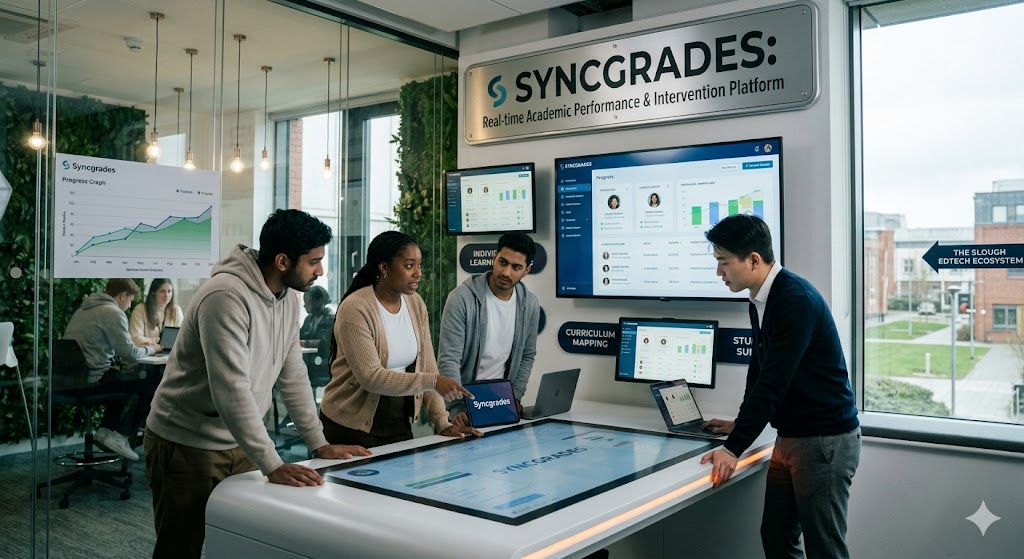
In today’s fast-moving educational environment, digital tools are transforming how students, teachers, and institutions manage academic performance. One such emerging concept is syncgrades, a modern approach to synchronizing academic grades across platforms, systems, and users in real time.
Syncgrades is designed to simplify grade management, reduce errors, and improve communication between educators and learners. Instead of relying on manual updates or disconnected systems, this approach allows academic data to stay consistent and updated across all connected environments.
As schools and universities adopt more digital learning tools, systems like syncgrades are becoming increasingly important for maintaining accuracy and transparency in education.
What Is Syncgrades?
Syncgrades refers to a system or process that enables automatic synchronization of student grades across different educational platforms. This means that when a teacher updates a grade in one system, it is instantly reflected across all connected systems, such as student portals, learning management systems, and administrative dashboards.
The main purpose of syncgrades is to eliminate delays, reduce human error, and ensure that all stakeholders have access to the same up-to-date academic information.
In traditional systems, grades may need to be entered multiple times into different platforms. Syncgrades removes this duplication by creating a unified data flow.
How Syncgrades Works
The working mechanism behind syncgrades is based on cloud computing and API integration. Here’s a simplified breakdown:
1. Data Entry
Teachers input grades into a primary system, usually a learning management system (LMS).
2. Real-Time Syncing
Once entered, the system automatically triggers a synchronization process.
3. Data Distribution
The updated grade is distributed across connected platforms such as student dashboards, parent portals, and administrative tools.
4. Continuous Updates
Any changes made later are also synchronized instantly, ensuring consistency everywhere.
This seamless process ensures that all users always see the latest academic data without manual intervention.
Key Features of Syncgrades
The syncgrades system offers several important features that make it valuable in modern education environments:
Real-Time Updates
Grades are updated instantly across all platforms.
Multi-Platform Integration
It works across multiple systems including LMS platforms, mobile apps, and school management software.
Error Reduction
Automated syncing reduces the risk of human error caused by manual entry.
Data Security
Most systems use encryption and secure APIs to protect sensitive academic data.
User Accessibility
Students, teachers, and parents can access updated information anytime and anywhere.
Benefits of Using Syncgrades in Education
The adoption of syncgrades brings several advantages to educational institutions:
Improved Accuracy
Since data is entered once and distributed automatically, the chances of mismatched records are significantly reduced.
Time Efficiency
Teachers no longer need to update multiple systems manually, saving valuable time.
Better Communication
Students and parents receive timely updates about academic performance, improving transparency.
Enhanced Learning Experience
Students can track their progress in real time and make improvements where necessary.
Administrative Convenience
School administrators can generate reports faster and with more accurate data.
Why Syncgrades Is Becoming Popular
The growing demand for digital education tools has led to increased interest in systems like syncgrades. Several factors contribute to its popularity:
- Rise of online and hybrid learning models
- Increased use of digital classrooms
- Demand for real-time academic feedback
- Need for centralized data management
- Focus on improving educational transparency
As institutions continue to digitize, syncgrades becomes a natural solution for managing academic data efficiently.
Challenges of Syncgrades Implementation
Despite its benefits, implementing syncgrades systems can come with challenges:
Technical Integration Issues
Older school systems may not easily integrate with modern synchronization tools.
Training Requirements
Teachers and staff may require training to use the system effectively.
Cost of Implementation
Initial setup costs can be high for some institutions.
Data Privacy Concerns
Since sensitive academic data is shared across platforms, strong security measures are essential.
Dependence on Internet Connectivity
Real-time syncing requires stable internet access, which may not always be available in all regions.
Best Practices for Using Syncgrades
To maximize the effectiveness of syncgrades, institutions should follow these best practices:
Choose Compatible Systems
Ensure that all educational platforms support integration.
Prioritize Security
Use encrypted connections and secure authentication methods.
Train Staff Properly
Provide training sessions for teachers and administrators.
Monitor System Performance
Regularly check for syncing errors or delays.
Keep Software Updated
Ensure all systems are updated to support the latest features and security patches.
The Future of Syncgrades in Education
The future of syncgrades looks promising as education continues to evolve digitally. With advancements in artificial intelligence and cloud computing, future systems may include even more advanced features such as predictive grading, performance analytics, and automated feedback generation.
We can also expect deeper integration with virtual classrooms, mobile learning apps, and personalized learning platforms. This will make academic tracking more intelligent and student-focused.
In the coming years, syncgrades may become a standard feature in most educational institutions worldwide.
Who Can Benefit from Syncgrades?
Syncgrades is useful for multiple stakeholders in the education system:
Students
They can track their academic progress in real time and identify areas for improvement.
Teachers
Educators can manage grades more efficiently without repetitive data entry.
Parents
Parents gain better visibility into their child’s academic performance.
Administrators
School management can access accurate reports and analytics for decision-making.
Real-World Use Cases of Syncgrades
Many educational institutions use systems similar to syncgrades for various purposes:
- Online universities managing thousands of students
- Schools with hybrid learning environments
- Coaching centers tracking student performance
- Corporate training programs evaluating employee learning progress
In all these cases, synchronized grading systems help streamline operations and improve transparency.
FAQs
What is syncgrades used for?
Syncgrades is used to automatically synchronize student grades across multiple educational platforms in real time.
Is syncgrades only for schools?
No, it can also be used in universities, training institutes, and online learning platforms.
Does syncgrades improve accuracy?
Yes, it reduces manual entry errors by ensuring all systems update automatically.
Is syncgrades difficult to implement?
It depends on the existing infrastructure. Modern systems integrate easily, while older systems may require additional setup.
Can parents access syncgrades data?
Yes, in most systems, parents can view updated academic performance through dedicated portals.
Is syncgrades secure?
Most platforms use encryption and secure login systems to protect student data.
Conclusion
Syncgrades represents a major step forward in the digital transformation of education. By enabling real-time synchronization of academic data, it simplifies grade management, improves accuracy, and enhances communication between students, teachers, and parents.
While there are some implementation challenges, the long-term benefits far outweigh the drawbacks. As education continues to evolve, systems like syncgrades will play a critical role in shaping a more efficient and transparent academic environment.
With the growing demand for smart education solutions, syncgrades is set to become an essential part of modern learning ecosystems.